15 High Protein Pasta Recipes

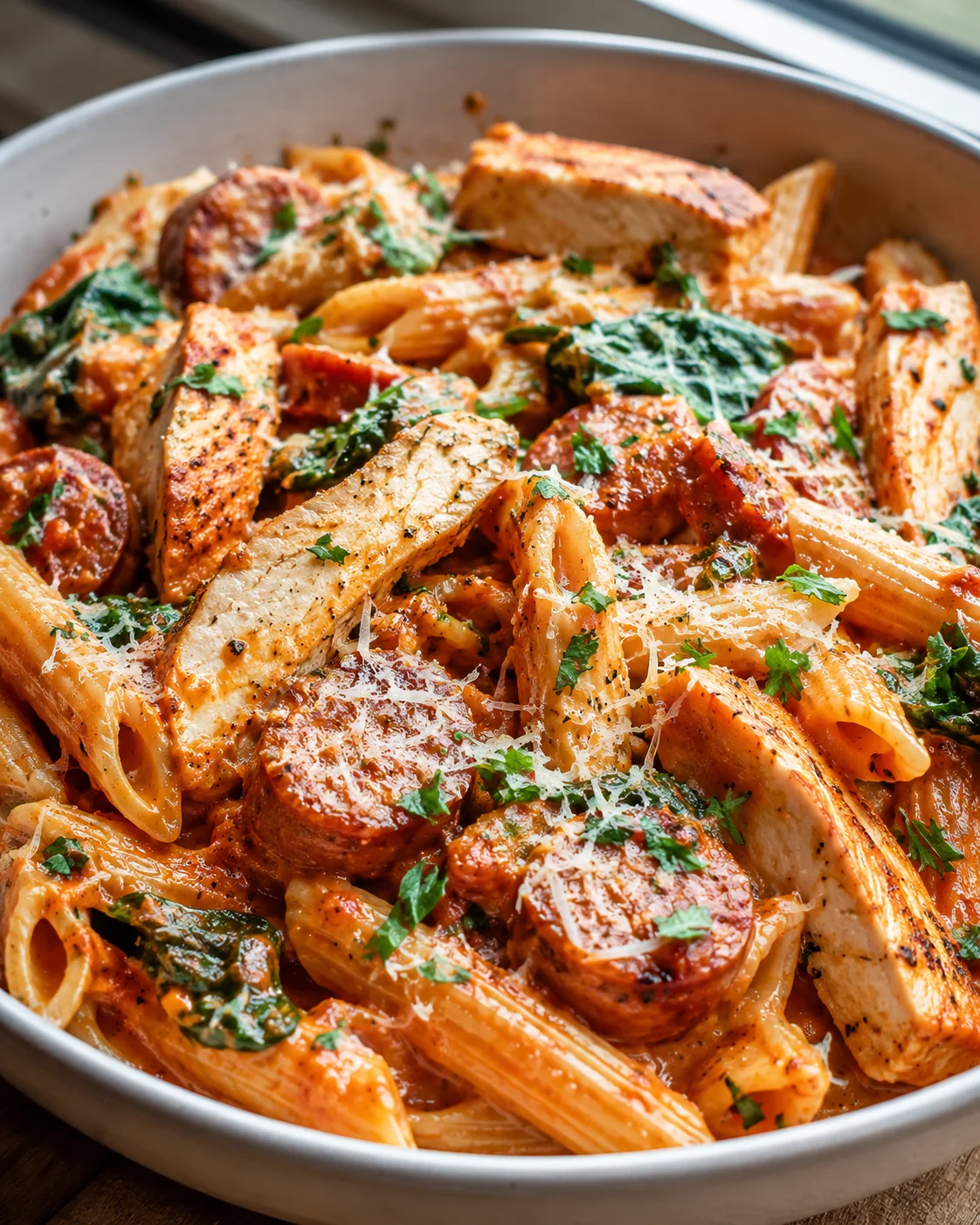
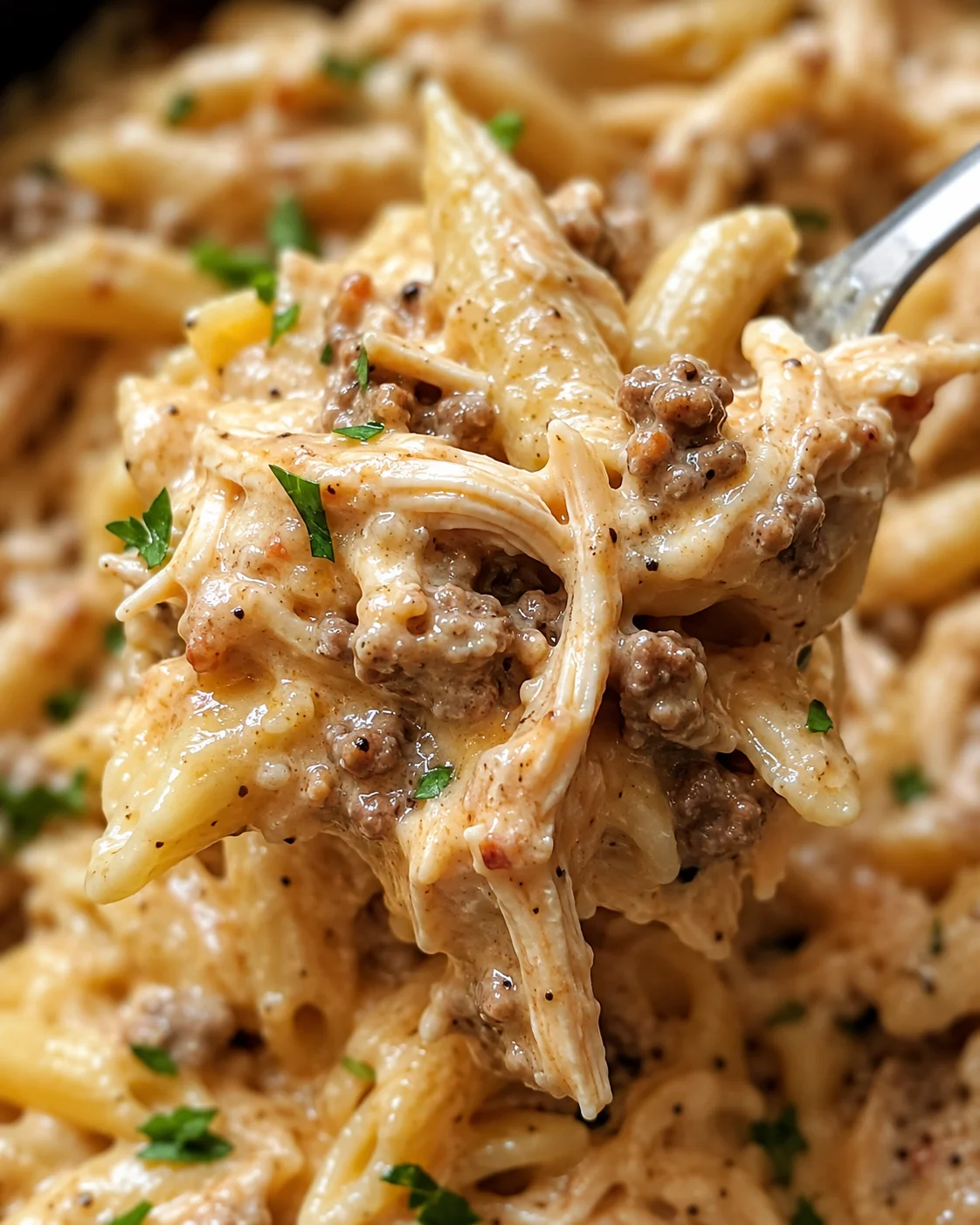
This roundup features 15 simple, high protein pasta recipes that fit right into your busy weeknights or meal prep routine. You’ll find a variety of lean proteins like chicken, ground beef, sausage, and shrimp, plus smart dairy swaps such as cottage cheese, Greek yogurt, and low-fat cream cheese. The sauces keep things easy with flavors ranging from classic marinara to creamy blends and zesty taco or Cajun twists, all with straightforward steps so you can get dinner ready fast.
Each dish focuses on packing in protein without losing any of the flavor you love. Most recipes are lighter on fat and reheat beautifully for quick lunches, making them perfect for real-life cooking!
Pressed for time but need a meal that fills you up? This collection of 15 easy, high protein pasta recipes is made just for weeknight dinners and batch cooking. These dishes mostly use pantry staples and prioritize high-protein ingredients paired with big flavors, so you get satisfying meals on the table fast — no fuss, no stress.
Here’s what you’ll find:
- Lean proteins like chicken, ground beef, sausage, and shrimp, alongside protein-rich dairy choices like cottage cheese, Greek yogurt, and low-fat cream cheese.
- Simple yet tasty sauce bases — classic marinara, light creamy mixes, and bold taco or Cajun flavors — all quick to pull together.
- Recipes designed to be macro-friendly and ready for meal prep, with many servings clocking in at 30 grams or more of protein, usually in about 20–30 minutes.
- Helpful tips for swapping ingredients, reheating, and storing, so you can tweak the dishes to your taste and week’s rhythm.
Use this intro to get a feel for what’s inside, then dive into the recipes and expert tips to make these high protein pasta recipes your own.
Why You’ll Love These
- Protein-packed: These recipes often deliver 30+ grams of protein per serving, helping you stay full and support muscle health.
- Time-saving and simple: Most dishes come together in just 20–30 minutes and use common ingredients you probably have on hand.
- Macro-balanced: Lean proteins and low-fat dairy keep calories in check while boosting protein content.
- Flexible: Easily swap out proteins, pasta shapes, or sauces depending on what’s in your fridge and your personal preference.
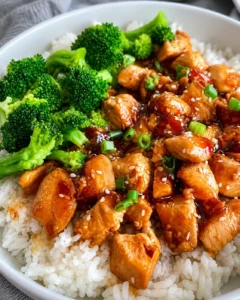
- Meal prep friendly: These recipes reheat well and portion out nicely, making lunches or dinners on the go simple and satisfying. For another fast batch-cook idea, see our 20-minute meal-prep chicken, rice and broccoli.
Key Ingredients and Proteins
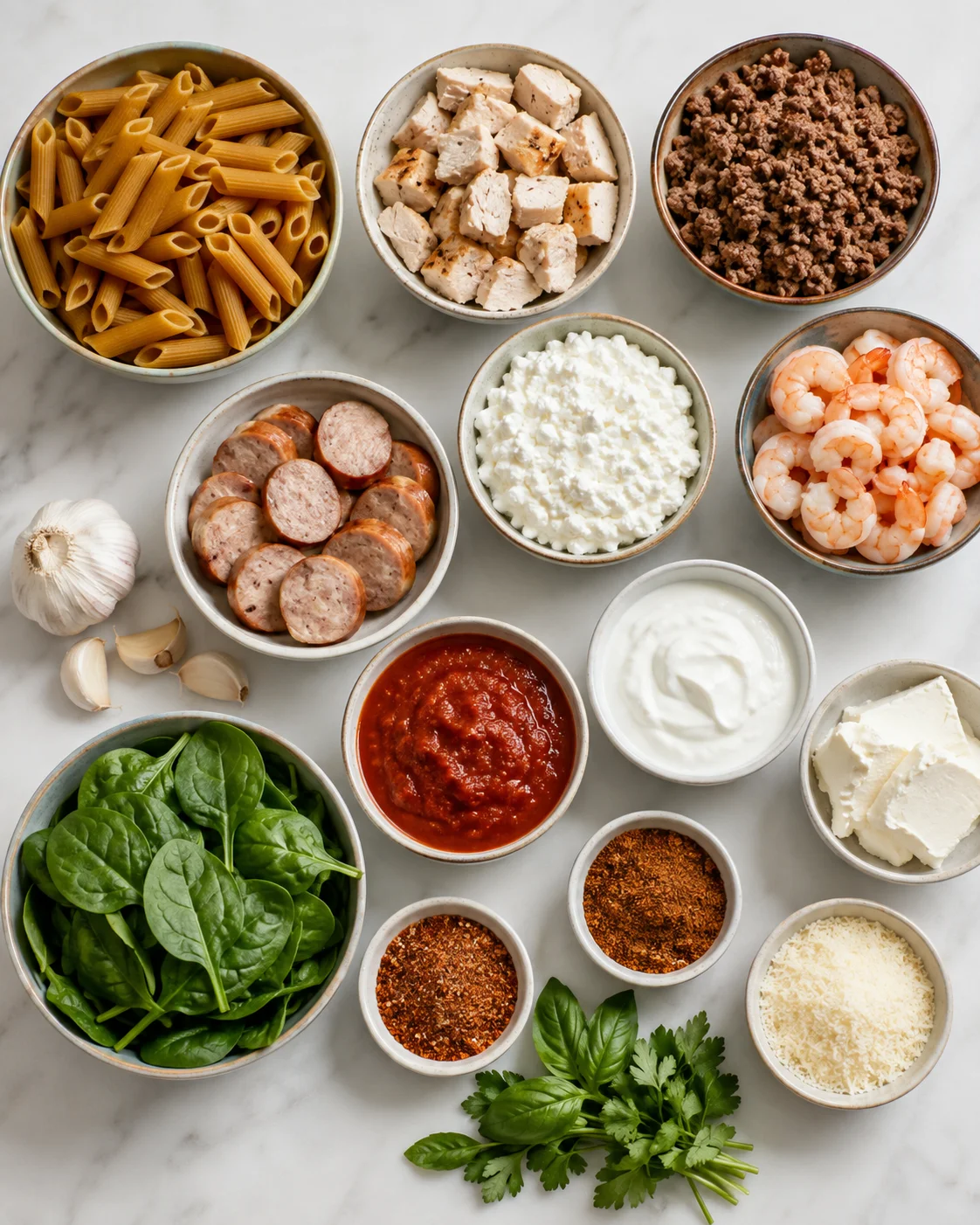
- Pasta choices like penne, rotini, or other short shapes—pick regular, whole wheat, or legume-based high-protein options for extra nutrition.
- Lean proteins including cooked chicken breast, lean ground beef, chicken sausage, and shrimp.
- Protein-rich dairy such as low-fat cottage cheese, plain Greek yogurt, low-fat cream cheese, and grated parmesan or low-fat mozzarella for topping.
- Sauces and liquids including marinara, chicken broth, salsa, and unsweetened almond milk.
- Seasonings like garlic powder, Cajun seasoning, taco spices, chili flakes, salt, and pepper for flavor boosts.
- Extras like sun-dried tomatoes, fresh herbs (parsley, basil, cilantro), and red pepper flakes.
- Optional garnishes such as parmesan cheese, fresh basil leaves, and chopped parsley to brighten the final dish.
How to Make the Dishes
- Fill a large pot with salted water, bring to a boil, cook pasta until just al dente according to package directions, and reserve about 1/3 cup of pasta cooking water before draining.
- Use pre-cooked or shredded chicken or other pre-cooked proteins to save time when prepping proteins.
- While the pasta cooks, brown ground meat or sausage in a skillet (drain excess grease if using fattier meats), or sauté shrimp until pink and opaque, or warm and slice pre-cooked chicken breast.
- Prepare the sauce: blend cottage cheese into marinara until smooth, or mix Greek yogurt with seasonings, or melt low-fat cream cheese with broth, or warm marinara or salsa until smooth and heated.
- Stir the cooked protein into the sauce and taste, adjusting with salt, pepper, and spices.
-
Toss the hot drained pasta with the sauce and protein; add reserved pasta water 1 tablespoon at a time until you reach the desired creamy texture.
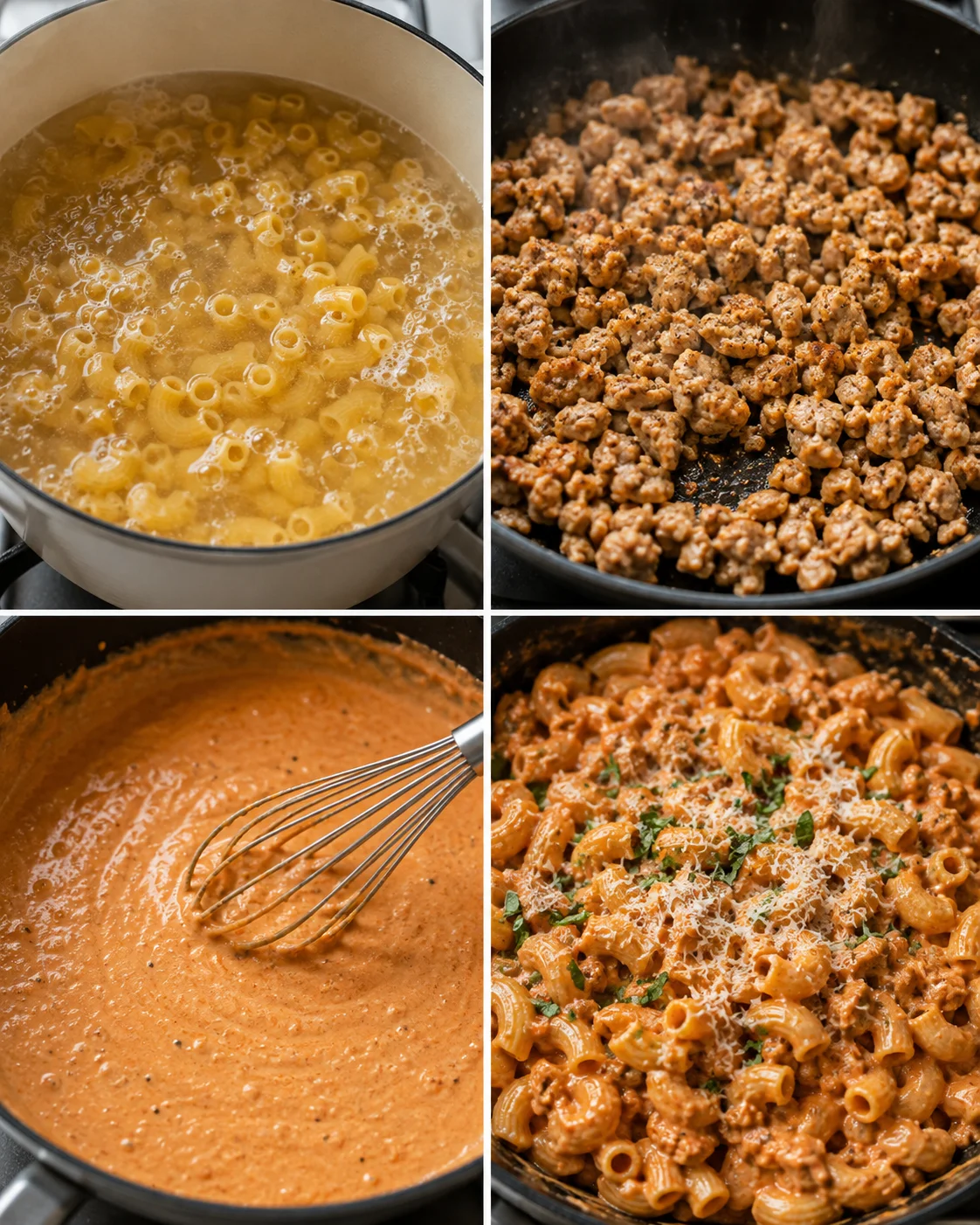
- Top with freshly grated Parmesan and/or chopped fresh herbs.
Make-Ahead and Finishing Tips
- Always save some pasta cooking water — its starchiness helps sauces bind smoothly without diluting flavor.
- Use pre-cooked or shredded chicken and other pre-cooked proteins—like a batch of high-protein turkey chili—to save even more time on busy evenings.
- For the smoothest cottage cheese sauce, blend the cottage cheese well before mixing it with pasta.
- Don’t overcook your pasta; keeping it a bit firm helps it hold up better when reheated later.
- If your creamy sauce breaks apart after freezing or reheating, gently warm it with a splash of broth or milk and stir to bring it back together.
- When using fattier sausages or beef, drain off any excess grease to keep the fat content closer to the nutrition facts given.
Substitutions and Mix-Ins
- Protein alternatives: Swap chicken for shrimp, ground turkey for beef, or try crumbled tofu or tempeh to make it vegetarian-friendly.
- Pasta alternatives: Chickpea, lentil, or other legume-based pastas add more protein and fiber; whole wheat pasta adds extra nutrients too.
- Sauce twists: Replace marinara with pesto, or try a spicy tomato cream by adding chili flakes plus a bit of low-fat cream cheese.
- Dairy-free options: Substitute cottage cheese or Greek yogurt with blended silken tofu or dairy-free cream cheese; just expect a slightly different flavor and texture.
- Bulk it up: Toss in extra veggies like spinach, zucchini, or bell peppers to boost volume and nutrients without piling on calories.
How to Store and Reheat
Fridge: Keep cooled pasta dishes in airtight containers for 3–4 days. To keep texture fresh, store sauce and pasta separately when you can.
Freezer: You can freeze creamy dairy-based pastas, but textures may shift a bit. Use airtight freezer containers and freeze for up to 2 months. Tomato-based sauces freeze better and hold up nicely.
Reheating: Warm gently on the stove over low heat with a splash of water, broth, or milk to loosen the sauce, or microwave in short bursts, stirring in between until hot. If frozen, thaw overnight in the fridge for more even reheating.
Common Questions Answered
- Can I use regular pasta instead of high-protein or legume pasta? Absolutely! Regular pasta works well, but swapping in legume or high-protein pasta boosts your protein and fiber intake per serving.
- How can I increase protein even more? Add extra lean chicken, stir in unflavored protein powder into the sauce, sprinkle more grated low-fat cheese, or choose legume pasta to pack in extra protein.
- Are these recipes good for meal prep? Definitely! Most can be stored in the fridge for 3–4 days. When possible, keep the sauce separate to maintain a better pasta texture.
- Can I make these dairy-free? You sure can! Swap the dairy components for blended silken tofu or dairy-free cream cheese alternatives, knowing the flavor and creaminess will change just a bit.
- Will creamy sauces separate when reheated? Sometimes they can thin out or separate if reheated too hot or fast. Gentle warming with a splash of pasta water or broth stirred in usually brings the sauce back together nicely.
- Are the nutrition numbers exact? The macros given are estimates since exact amounts vary by ingredient brands, portion sizes, and swaps. Use your favorite tracker for precise tracking.
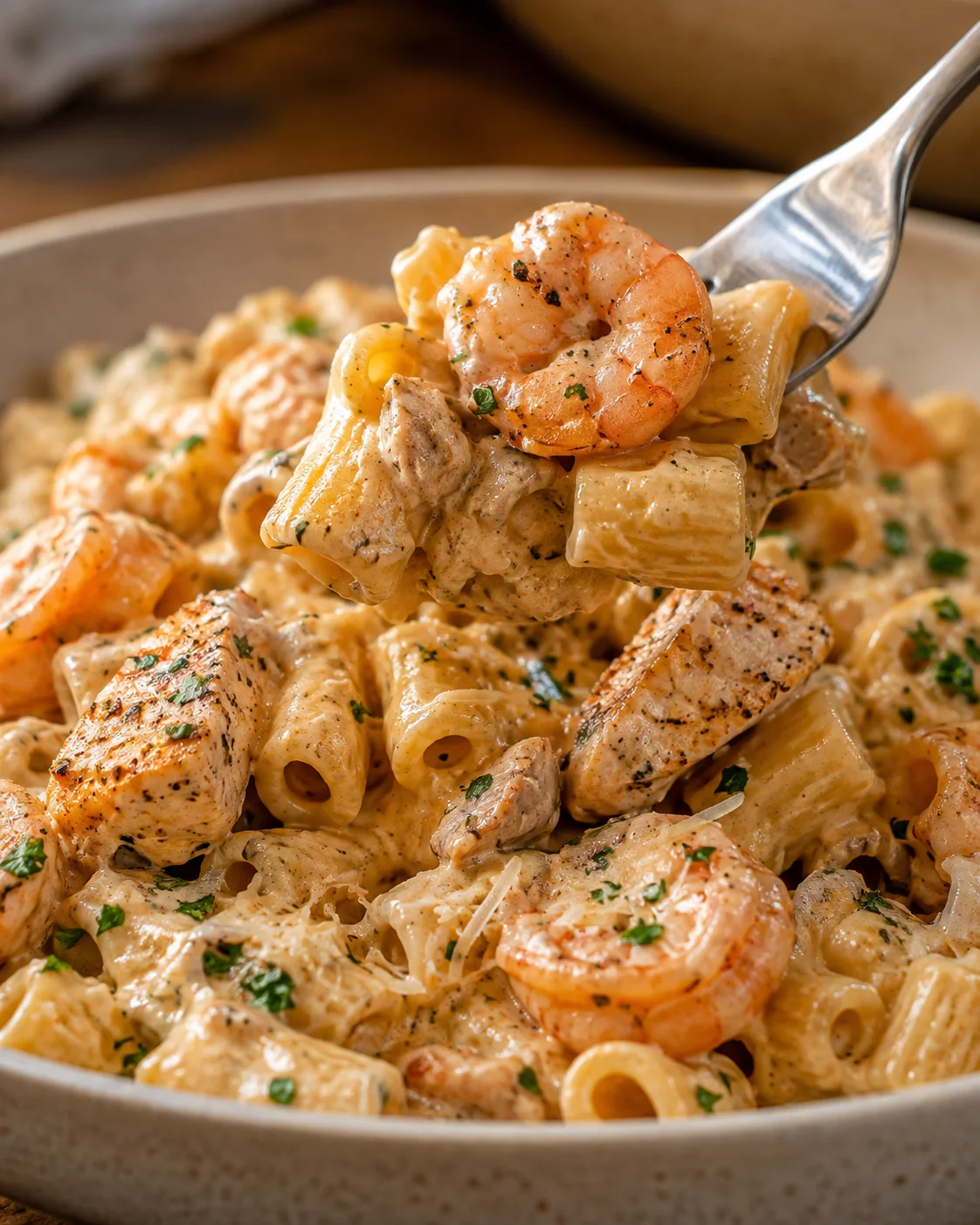
A collection of 15 simple, high-protein pasta recipes featuring lean proteins and smart dairy swaps with easy sauces and quick cooking times, perfect for busy weeknights and meal prep.
- Prep Time: 10 minutes
- Cook Time: 20 minutes
- Total Time: 30 minutes
- Yield: 4 servings
- Category: Main Course
Ingredients
- Pasta: penne, rotini, or other short shapes, regular, whole wheat, or legume-based high-protein options
- Lean proteins: cooked chicken breast, lean ground beef, chicken sausage, shrimp
- Protein-rich dairy: low-fat cottage cheese, plain Greek yogurt, low-fat cream cheese, grated parmesan or low-fat mozzarella
- Sauces and liquids: marinara, chicken broth, salsa, unsweetened almond milk
- Seasonings: garlic powder, Cajun seasoning, taco spices, chili flakes, salt, pepper
- Extras: sun-dried tomatoes, fresh herbs (parsley, basil, cilantro), red pepper flakes
- Optional garnishes: parmesan cheese, fresh basil leaves, chopped parsley
Instructions
- Fill a large pot with salted water, bring to a boil, and cook pasta until just al dente according to package directions. Reserve about 1/3 cup of pasta cooking water before draining.
- Use pre-cooked or shredded chicken or other pre-cooked proteins to save time when prepping proteins.
- While the pasta cooks, brown ground meat or sausage in a skillet (drain excess grease if using fattier meats), or sauté shrimp until pink and opaque, or warm and slice pre-cooked chicken breast.
- Prepare the sauce by blending cottage cheese into marinara until smooth, mixing Greek yogurt with seasonings, melting low-fat cream cheese with broth, or warming marinara or salsa until smooth and heated.
- Stir the cooked protein into the sauce and adjust taste with salt, pepper, and spices.
- Toss the hot drained pasta with the sauce and protein; add reserved pasta water 1 tablespoon at a time until the desired creamy texture is reached.
- Top with freshly grated Parmesan and/or chopped fresh herbs.
Notes
Save some pasta cooking water; its starchiness helps sauces bind smoothly without diluting flavor., Use pre-cooked or shredded chicken and pre-cooked proteins for quicker meal prep., Blend cottage cheese well before mixing for the smoothest sauce., Avoid overcooking pasta to maintain texture when reheated., If creamy sauce breaks after freezing or reheating, gently warm it with broth or milk and stir., Drain excess grease when using fattier sausages or beef to keep fat content lower., Protein alternatives: swap proteins such as chicken for shrimp or ground turkey for beef; use crumbled tofu or tempeh for vegetarian option., Pasta alternatives: chickpea, lentil, or legume-based pastas increase protein and fiber; whole wheat adds nutrients., Sauce variations: substitute marinara with pesto, or make spicy tomato cream sauce with chili flakes and low-fat cream cheese., Dairy-free options: substitute dairy with blended silken tofu or dairy-free cream cheese, noting flavor and texture differences., Add extra veggies like spinach, zucchini, or bell peppers to boost nutrients without extra calories., Store cooked pasta dishes in airtight containers in fridge for 3-4 days; separate sauce and pasta when possible., Freeze creamy dairy-based pastas for up to 2 months though texture may change; tomato-based sauces freeze better., Reheat gently on stove over low heat with splash of water, broth, or milk, or microwave in short bursts stirring frequently., Thaw frozen dishes overnight in fridge before reheating for best texture., Nutrition estimates vary with ingredient brands, portion sizes, and substitutions; use preferred tracking tools for accuracy.
Nutrition
- Serving Size: 1 serving
- Calories: Approximately 400-500 calories per serving (varies by specific recipe and ingredients)
- Fat: Lower fat due to lean proteins and low-fat dairy; varies by specific recipe
- Carbohydrates: Approximately 40-50 grams per serving (varies by pasta choice)
- Protein: 30+ grams per serving
More in Lunch & Dinner
Taco Stuffed Sweet Potatoes

Greek Yogurt Chicken Salad
The Best Healthy Turkey Chili